

Many organizations hold large amounts of data but struggle to use it effectively. Information is often scattered across systems, departments, and processes, making it difficult to gain an overview and make well-informed decisions. Data integration is about collecting, structuring and making data accessible across silos so it can actually be used in practice.
.jpg)
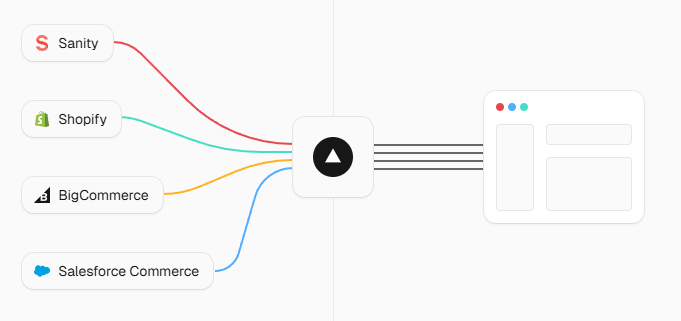
We start by mapping existing systems, data sources and needs. Then we connect relevant systems and establish a structure that makes data accessible and usable across the organization. Through this process, we break down data silos, ensure a consistent and up to date data foundation and enable further use of data in analytics and operational solutions. Once the foundation is in place, it becomes possible to build on it with realtime solutions, visualization and decision support.

When data is connected across systems you gain a comprehensive and up to date view of the business. This provides a stronger basis for decision making, increased control and new opportunities to optimize operations and performance. Value is realized through tailored development on our platform Unifront, which ensures stable solutions and updates without downtime without the need to replace existing systems.
The solution is particularly relevant for companies that have multiple systems that are not integrated, operate in production, logistics or other complex environments, seek better control and insight into their operations and have data available but lack structure and coherence. This typically applies to businesses in industries such as manufacturing, transportation, logistics and food production.


The solution is particularly relevant for organizations with complex system landscapes and high demands for visibility and control. Many companies operate multiple non-integrated systems and work within production, logistics or other complex environments where coordination between processes is critical. At the same time they often have large amounts of available data that lack structure and coherence, making it difficult to use effectively in practice. This is especially true for businesses in manufacturing, transportation, logistics and food production, where the need for insight, coordination and efficient operations is high.
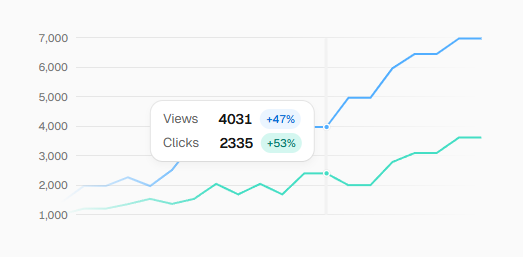
When data is connected across systems the organization gains a comprehensive and up to date view of its operations. This provides a stronger basis for decision making, increased control and makes it easier to identify areas for improvement and optimize processes. At the same time it lays the foundation for further development, where data can be actively used in realtime solutions, visualization and tailored cockpit and control tower solutions. The result is a more efficient, flexible and datadriven organization that extracts greater value from existing systems and data.
.jpg)